
Millennial and Gen Z Patients Are Changing Eye Care. Is Your Practice Ready?
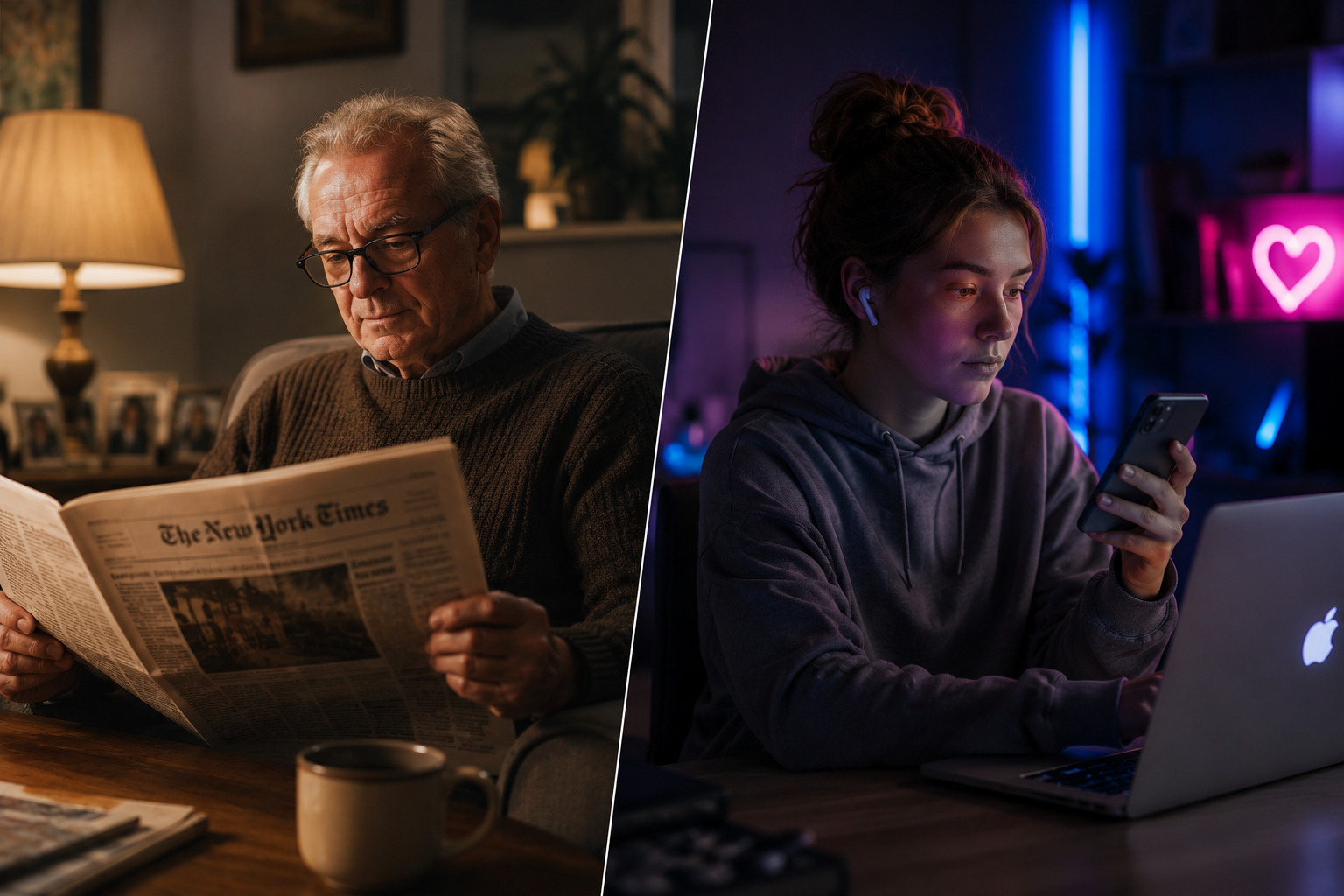

Something has shifted in optical practices across the country, and the practitioners who notice it early will be better positioned than those who don’t.
The patients walking through the door are younger. They researched their symptoms before the appointment. They already have an opinion about blue light lenses. They checked your Google reviews before they called. They expect a response to their question before the end of the business day, and if your website doesn’t work on mobile, they may have already moved on to someone else.
Millennials, born between 1981 and 1996, are now between 29 and 44 years old. They are at peak earning age, many managing their own families, increasingly aware of how screen time is affecting their eyes. Gen Z, born between 1997 and 2012, are entering their adult years, starting careers, spending more time on screens than any previous generation, and becoming independent eyewear consumers for the first time.
Together, these two generations represent the fastest-growing segment of your patient population. They are not a future consideration. They are today’s appointments, and they come with expectations that differ meaningfully from the patients who built your practice over the last two decades.
This article is for the practice owners and managers who want to understand what those expectations are, how to meet them clinically and operationally, and what role the right lens products, including Mialab digital lenses, play in serving a generation that already knows what they want.
Who These Patients Are and Why They’re Different
Understanding Millennials and Gen Z as patients starts with understanding how they move through the world, because their behavior as consumers of eye care is an extension of how they consume everything else.
Millennials: The Research-First Generation
Millennials grew up watching the internet transform every industry. They are comfortable with technology but old enough to remember a world without it, which makes them selective. They don’t default to the closest provider. They research. They compare. They read reviews before making decisions and they value transparency in the businesses they trust.
As patients, Millennials are typically:
Self-educated before the exam. They’ve read about their symptoms, looked up lens options, and may arrive with specific questions about blue light blocking technology or progressive designs. This is an advantage if your team is prepared to engage at that level and a missed opportunity if they’re not.
Loyal to experiences, not providers. A Millennial patient who has an exceptional experience at your practice (fast, personalized, technically competent, with glasses ready when promised) will come back and refer people. One who waits longer than expected, gets a generic recommendation, or can’t reach your office by text will quietly find someone else.
Heavy screen users with real visual complaints. The average Millennial spends more than six hours a day on digital devices for work and leisure combined. Digital eye strain, headaches, difficulty focusing between distances: these are not hypothetical concerns. They are presenting complaints, and they create a genuine clinical need for lenses for screen use that most practices are still underleveraging.
Gen Z: The Digital-Native Patient
Gen Z has never known a world without smartphones. They are the first generation for whom digital is not a tool. It’s an environment. And their visual demands are unprecedented.
Average screen time for Gen Z adults exceeds seven to nine hours per day across phones, laptops, tablets, and gaming platforms. They are experiencing symptoms of digital eye strain at younger ages than any previous generation, and they are aware of it. They talk about it online. They search for solutions before they ask a doctor.
As patients, Gen Z tends to be:
Comfort-driven in communication. Texting, DMs, online booking. Phone calls feel intrusive. A practice that offers text-based communication, online scheduling, and digital intake forms removes the barriers that keep Gen Z from booking in the first place.
Aesthetically motivated in eyewear choices. Frames are fashion. Glasses are an identity signal for Gen Z in a way they haven’t been since the 1980s. Thin lenses, premium materials, and coatings that look clean: these aren’t upsells to a Gen Z patient. They’re expectations.
Skeptical of generic recommendations. Gen Z has grown up with personalized algorithms telling them what to watch, listen to, and buy. A generic “you should try blue light lenses” lands flat. A specific recommendation, such as “given that you’re on a screen nine hours a day and waking up with headaches, here’s exactly what I’d recommend and why,” resonates.
Culturally diverse. Gen Z is the most ethnically diverse generation in U.S. history. In markets like South Florida, a significant portion of Gen Z patients are Spanish-speaking or bilingual. For practices in Miami, Hialeah, and Doral, meeting this generation where they are linguistically is not optional. It’s clinical competency. Working with an optical lab in Hialeah for Spanish-speaking clinics that provides bilingual support materials extends that competency into the dispensing workflow.

The Clinical Picture: What These Patients Actually Need

The generational shift isn’t only about communication preferences and service expectations. It represents a genuine shift in the clinical profile of the patients presenting to your practice, and in the lens products that serve them best.
Digital Eye Strain Is the Defining Complaint
Digital eye strain, also called computer vision syndrome, is the most common presenting complaint among Millennial and Gen Z patients. Symptoms include:
- Eye fatigue and dryness after sustained screen use
- Headaches, particularly frontal and temporal
- Blurred vision when shifting focus between screen and distance
- Neck and shoulder tension from compensatory posture
- Difficulty falling asleep associated with evening screen use and blue light exposure
These symptoms are not imaginary and they are not solved by telling patients to take breaks. They have clinical solutions, and the practices that offer those solutions clearly and confidently are the ones that capture this demographic.
Blue Light Lenses: What They Are and What the Evidence Says
Blue light lenses, which have a blue light filter integrated into the coating or lens material, are among the most requested products by Millennial and Gen Z patients. Understanding them clearly allows your team to have confident, accurate conversations rather than either overselling or dismissing.
What blue light lenses do: Blue light blocking technology works by filtering a portion of the high-energy visible (HEV) blue light spectrum (roughly 415 to 455 nanometers) that is emitted most intensely by LED screens and fluorescent lighting. Quality prescription lenses with blue light filter reduce the amount of this wavelength reaching the retina without meaningfully altering color perception.
What the evidence supports: Clinical research is nuanced here. The evidence for blue light filtering lenses reducing symptoms of digital eye strain, particularly headaches and eye fatigue with extended screen use, is more consistent than the evidence specifically for sleep improvement. The most defensible clinical position is: for patients spending six or more hours per day on screens and reporting fatigue or headache symptoms, blue light filtering is a reasonable, low-risk intervention worth recommending.
What patients believe: Whether or not the evidence is fully settled, a large portion of Millennial and Gen Z patients want blue light protection. They’ve read about it. They’ve seen it marketed. They’ll ask about it. A practice that can give them an honest, informed answer, such as “here’s what the research shows, here’s when I recommend it, and here’s the product we use,” builds more trust than one that either dismisses the question or oversells the technology.
Computer Lenses and Anti-Fatigue Designs
Beyond blue light filtering, computer lenses (also called occupational progressive lenses or office lenses) represent a significant clinical opportunity with this demographic that most practices are not fully capturing.
Standard single-vision lenses are optimized for distance clarity. They do nothing to reduce the accommodative effort required for sustained near and intermediate work. For a 32-year-old Millennial who works eight hours a day at a screen with a mild prescription, standard single vision may be clinically adequate, but a computer lens optimized for intermediate and near distances will be noticeably more comfortable over the course of a workday.
Anti-fatigue lenses take this a step further. They’re designed for younger patients who are not yet presbyopic but who are experiencing accommodation fatigue from sustained near work. A small amount of added power in the lower zone reduces the effort required for near focus, with a noticeable effect on end-of-day eye fatigue.
These are not difficult clinical decisions. They become natural recommendations when your team understands which patients benefit: heavy screen users, emerging presbyopes in their late 30s, and any patient presenting with headaches or eye fatigue without a significant refractive finding.
How to Adapt Your Practice for Millennial and Gen Z Patients
Clinical competency is the foundation. But serving these generations well also requires operational and experiential adaptation in how your practice functions.
Make Booking and Communication Frictionless
Neither Millennials nor Gen Z want to call to make an appointment. Both generations show significantly higher conversion rates when booking is available online, and both are more responsive to text-based communication than phone or email.
If your practice still requires a phone call to schedule, you are losing younger patients to practices that don’t, before they’ve ever met your team.
Minimum viable changes: online scheduling on your website and Google Business Profile, text confirmation of appointments, and text-based follow-up after dispensing. These are not expensive infrastructure changes. They are expectation-matching decisions that directly affect whether younger patients choose your practice.
Train Your Team to Meet Patients at Their Knowledge Level
A Millennial who arrives having already researched what blue light lenses are wants a conversation, not a sales pitch. A Gen Z patient who asks “do I really need blue light blocking or is that just marketing?” deserves an honest, specific answer.
Train your team to welcome informed patients. The response to “I read that blue light lenses might not actually work” is not defensiveness. It’s engagement: “That’s a fair question. The evidence is strongest for symptom relief with extended screen use, which is why I recommend it specifically for patients like you who spend more than six hours a day on screens. Here’s what I’d suggest.”
That conversation builds more trust than any script.
Lead with Personalization, Not Products
Younger patients are particularly resistant to feeling sold to and particularly responsive to feeling understood. The sequence matters. Understand the patient’s lifestyle and visual demands first. Then connect the clinical recommendation to what you’ve learned. Then name the product.
“Given that you’re in front of screens most of your workday and you mentioned waking up with headaches, I want to talk about two things: an anti-fatigue design that will reduce the strain your eyes are working through by midday, and a blue light filter that addresses the high-energy light from your monitors specifically. Here’s what I recommend and why.”
That’s a recommendation. Not a sale. Younger patients feel the difference.
Expand Your Lens Conversation Beyond the Basic Prescription
The default dispensing conversation at many practices goes: here’s your prescription, here are your frames, single vision or progressive? For Millennial and Gen Z patients, this is a missed clinical and revenue opportunity.
The expanded conversation includes: What are your screen habits? Do you have any symptoms at the end of the day? How do you use your vision at work? Are you happy with how your current glasses feel by late afternoon?
These questions open doors to computer lenses, anti-fatigue designs, premium blue light coatings, and second-pair conversations, all of which serve the patient better and increase per-visit revenue for the practice.
The Products That Serve This Generation
The clinical needs of Millennial and Gen Z patients align closely with Mialab’s digital lens portfolio, and understanding that alignment helps your team make specific, confident recommendations.
For blue light protection: MIA LAB’s Full Protect coating integrates blue light filtering with anti-reflective performance and UV protection in a single coating solution. For a Gen Z patient on screens all day, this isn’t an upgrade. It’s the appropriate baseline.
For computer and anti-fatigue designs: Mialab’s Remedy line includes occupational and anti-fatigue designs built on IOT Digital Ray-Path® 2 technology, with point-by-point calculation across more than 3,000 gaze directions, optimized for the visual demands of screen-based work environments. The difference in visual comfort over an eight-hour workday is perceptible, and perceptible differences create loyal patients.
For thin, aesthetically motivated patients: High-index materials with premium AR coatings address the Gen Z expectation that glasses look good: thin, clear, with no visible glare. Working with a Hialeah optical supplier for practices that finishes in-house means the coating quality is controlled from the first step to the last, producing the clean, premium result that younger patients expect.
For Spanish-speaking Gen Z and Millennial patients: Mialab provides bilingual patient education materials (lens explanation guides, coating comparison sheets, care instructions) so your dispensing conversation happens in the patient’s language, not just a translation of the English version. In South Florida’s demographic reality, this matters clinically and relationally.
What This Generational Shift Means for Your Lab Partnership
One implication of serving a younger, more demanding patient population that practice owners sometimes overlook: it raises the operational bar.
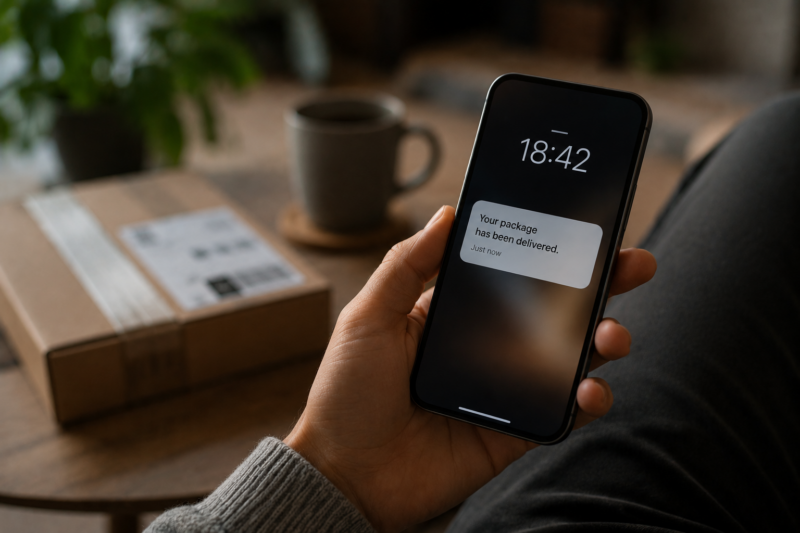
Millennials and Gen Z have been shaped by same-day delivery, real-time order tracking, and instant customer service. When they receive a pair of glasses later than they were told, or have to return because of a quality issue, they don’t give the benefit of the doubt the way older patients might. They leave a Google review. They tell their friends. They don’t come back.
This means the operational reliability of your supply chain becomes a patient experience factor with this demographic in a way it may not have been with patients who were more forgiving of delays.
Practices that work with a fast, consistent, in-house lab, one that surfaces, coats, and finishes under one roof, with a 24-hour average turnaround on uncut lenses (about 2 more days with AR), can make promises to Millennial and Gen Z patients and keep them. That reliability, repeated across every visit, is how you build a reputation in a demographic that is vocal online when expectations aren’t met, and equally vocal when they are.
MIA LAB’s Hialeah facility handles surfacing, anti-reflective coating, and finishing in-house, which means your turnaround isn’t dependent on a third party. For practices serving the South Florida market and building a younger patient base, that operational reliability is a genuine competitive advantage and a direct contribution to the patient experience your practice is working to build.
The Opportunity Inside the Challenge
It’s easy to frame the Millennial and Gen Z shift as a challenge: new expectations, new communication habits, new demands. And it is, in the sense that it requires adaptation.
But it’s also one of the clearest growth opportunities available to independent optical practices right now.
These patients need more product. They have real digital eye strain complaints that create genuine clinical solutions. They spend more on eyewear than older generations as a percentage of discretionary income. They carry better vision insurance as they move into careers. They share recommendations on social media, in group chats, and at work, with a speed and reach that word-of-mouth never had before.
A practice that serves them well, that gives them accurate clinical answers, that delivers their glasses when promised, that communicates the way they prefer, and that makes them feel like they’re being treated as individuals, that practice gets a loyal patient, an online review, and a referral network in a demographic that’s only growing.
The independent practices that build relationships with Millennial and Gen Z patients now are building their patient base for the next thirty years. The ones that don’t will find it significantly harder to fill that gap later.
Frequently Asked Questions
-
What are blue light lenses and do Millennial and Gen Z patients really need them?
Blue light lenses use blue light blocking technology, either in the lens material or the coating, to filter high-energy visible light from screens and artificial lighting. For patients spending six or more hours daily on digital devices and reporting headaches or eye fatigue, they represent a clinically reasonable recommendation. Most Millennial and Gen Z patients are strong candidates based on their screen habits alone.
-
What’s the difference between computer lenses and anti-fatigue lenses for younger patients?
Computer lenses, also called occupational progressives or office lenses, are designed for patients who need clear vision across intermediate and near distances, primarily for screen-based work environments. Anti-fatigue lenses are designed for younger, non-presbyopic patients who experience accommodative strain from sustained near work. Both address digital eye strain, but through different mechanisms and for different patient profiles.
-
How do I recommend prescription lenses with a blue light filter without it feeling like a sales pitch?
Connect the recommendation to the patient’s stated lifestyle before naming the product. “You mentioned you’re on screens most of your workday and waking up with headaches. That’s exactly the situation where I recommend adding a blue light filter to your lenses. Here’s what it does and why I think it’ll help.” A recommendation grounded in the patient’s own words lands as clinical advice, not a sale.
-
Are lenses for screen use worth recommending to patients in their 20s with no prescription?
Yes, in some cases. Patients with no significant refractive error can still experience accommodative fatigue and digital eye strain from sustained near work. Plano anti-fatigue lenses, which have no distance correction but a mild near boost, can reduce symptoms meaningfully for heavy screen users. It’s a niche conversation, but one worth having with the right patient.
-
How does working with MIA LAB help practices serve Gen Z and Millennial patients specifically?
Three ways: our digital lens portfolio, including anti-fatigue, computer, and blue light designs, matches the clinical needs of younger patients directly; our 24-hour average turnaround on uncut lenses, with about 2 more days for AR, lets practices meet the fast-delivery expectations this demographic brings; and our bilingual materials support Spanish-speaking Millennial and Gen Z patients in South Florida with the communication quality they deserve.
-
What communication changes make the biggest difference in attracting younger patients?
Online booking and text-based communication are the highest-impact changes for most practices. Millennials and Gen Z show significantly higher conversion and retention rates when they can schedule without calling and communicate without phone tag. Adding online scheduling to your website and Google Business Profile, and following up by text rather than phone, directly addresses the friction that causes younger patients to choose a competitor.
-
Is the Gen Z and Millennial shift a regional issue or a national one?
National, but with regional amplifications. In South Florida specifically, the demographic concentration of young, bilingual, screen-native patients is particularly high. Practices in Miami, Hialeah, and Doral are serving a Gen Z population that is both digitally native and often Spanish-speaking, which means the adaptation required combines digital-era service expectations with genuine bilingual clinical competency.
MIA LAB is an independent optical lab in Hialeah, Florida, serving practices across South Florida and the United States. Our digital lens portfolio, in-house finishing, and bilingual support infrastructure are built for the practices that are building the next generation of patient relationships.


