
Emerging Vision Tech 2026: What Optometrists Need to Know

The optical industry is entering one of the most transformative periods in its history. Between rapid advancements in AI, breakthroughs in lens materials, the rise of smart eyewear, and new expectations around tele-optometry, independent practices face an environment where innovation is no longer optional. It’s a strategic advantage.
Optometrists, opticians, and optical managers who understand how 2026’s emerging technologies will reshape patient care, product demand, and clinical workflows will be the ones who stay ahead. And with the support of a trusted independent optical lab that embraces digital manufacturing and precision quality control, like Mialab in Miami, Florida, practices can confidently evolve along with the industry.
This guide explores the top vision-care innovations shaping 2026 and what they mean for optical practices today.
Smart Eyewear Is Moving From Niche to Mainstream
From Lifestyle Accessory to Vision-Enhancing Tool
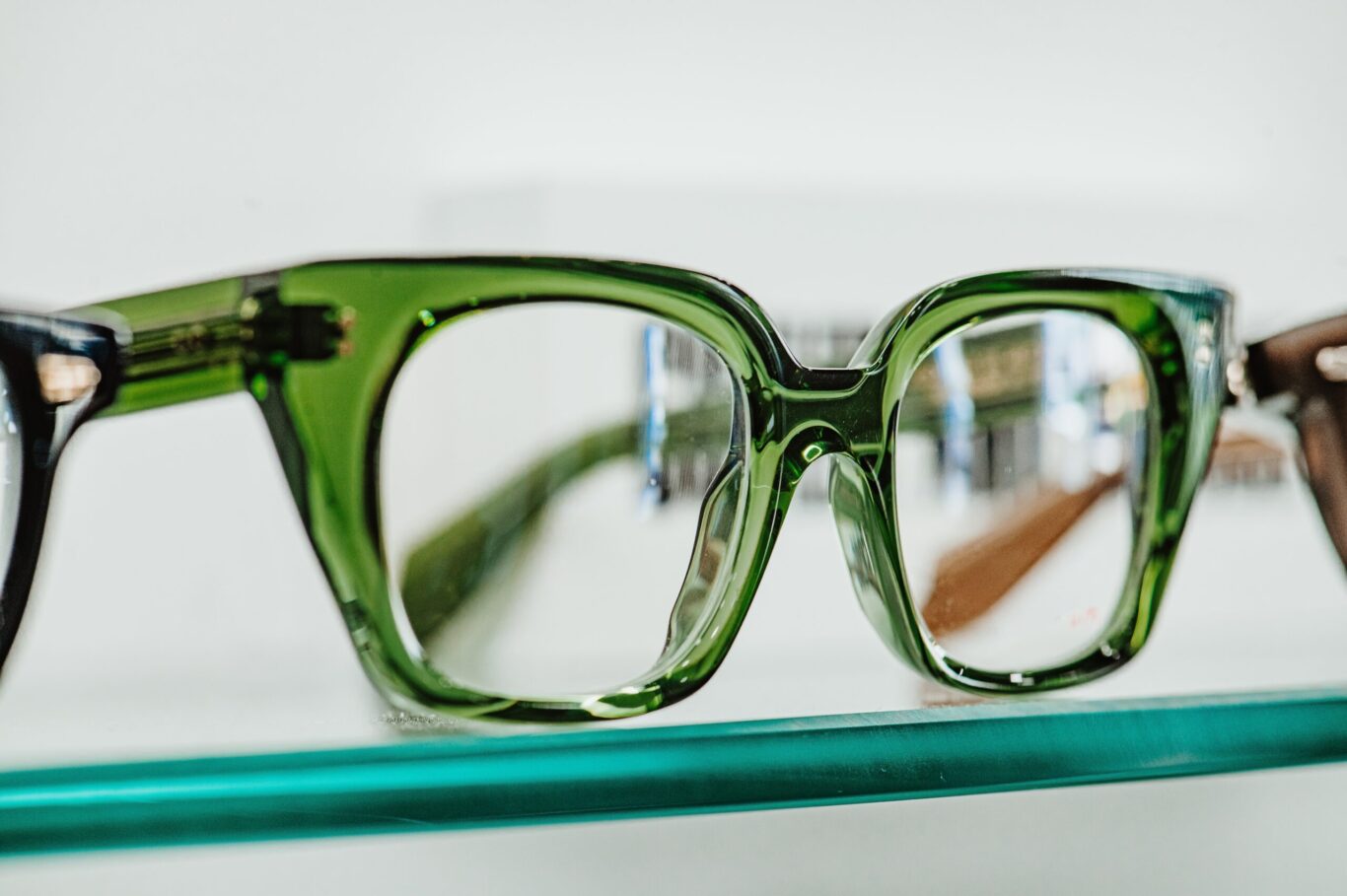
Smart glasses once belonged exclusively to tech enthusiasts. Today, they are moving rapidly toward everyday clinical relevance. With Apple, Meta, and several medical-grade manufacturers developing lightweight designs, patients are increasingly curious about eyewear that integrates digital features like augmented reality overlays, real-time display information, fitness and health tracking, assistive tools for low-vision patients and hands-free communication.
For optometrists, the growing smart-eyewear category means two things:
1. New patient conversations: Patients look to clinicians to interpret emerging technology.
2. A renewed focus on lens precision: Smart eyewear often requires extremely accurate base lenses to prevent visual distortion.
Because embedded display systems demand high-clarity optical surfaces, practices benefit from partnering with an optical lab partner capable of producing digital freeform lenses with micron-level precision.
See how MIA LAB produces advanced digital lenses.
As smart eyewear expands, practices equipped with premium lens solutions and knowledgeable staff will be positioned as future-ready leaders.
AI Tools for Optometry Are Reshaping Clinical Workflows
AI Isn’t the Future. It’s Already Here
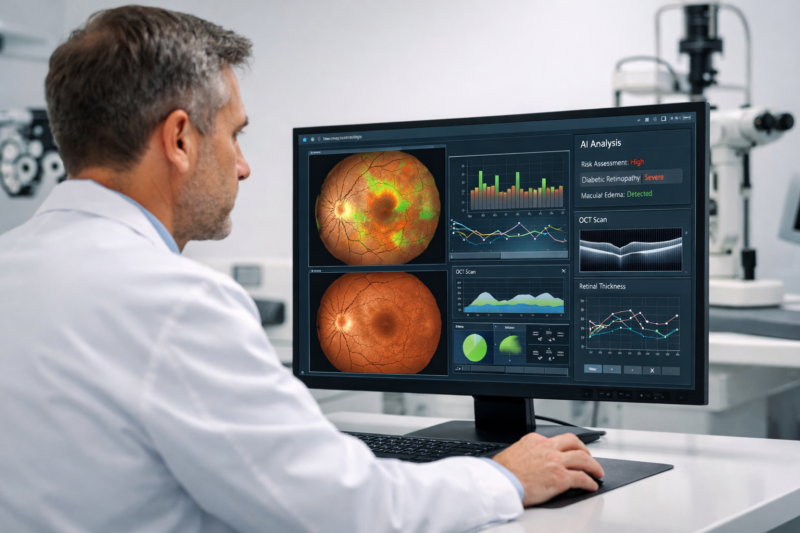
In 2026, artificial intelligence is expected to play an even greater role in vision care. Current innovations already allow AI to:
- analyze fundus images for early disease detection
- assist in refractive measurements
- predict visual outcomes
- streamline charting and administrative tasks
- support remote pre-testing and triage
AI-driven refraction and diagnostics are not replacing clinicians. They’re enhancing them. But these advancements also elevate patient expectations for accuracy and personalization.
That’s where the connection to lens quality becomes clear.
When practices use AI tools to capture precise visual data, they need a lab capable of translating that data into equally precise lenses. MIA LAB’s digital surfacing and rigorous quality control standards ensure that complex prescriptions and digitally generated designs perform exactly as patients expect.
Explore MIA LAB’s quality control process.
As AI accelerates, the need for consistency, craftsmanship, and high-tech optical manufacturing becomes even more essential.
Myopia Control Lenses Are Growing Alongside Pediatric Vision Demand
A Global Trend With Local Impact
The worldwide rise in pediatric myopia is one of the most urgent challenges in modern optometry. By 2030, more than half the world’s population is projected to be myopic, with many children developing progressive prescriptions earlier than ever.
As a result, practices are seeing increased demand for specialized myopia control lenses, custom ophthalmic lenses, lightweight materials like Trivex and premium coatings. that make kids’ glasses more durable
Parents are actively searching for solutions and often comparing practices based on who offers the most advanced options.
Independent practices can differentiate themselves by promoting digital freeform lenses designed specifically for young wearers, photochromic lenses for outdoor protection, blue light lenses for digital device use, as well as durable materials combined with premium AR coatings.
For patient-friendly education on lens benefits, practices can share relevant MIA LAB article: Understanding Progressive Lenses: Are They Right for Your Patient?
Clear, accessible explanations help families make confident decisions and reinforce your role as a trusted provider.
Tele-Optometry and Remote Care Are Reshaping Expectations
Convenience Is Becoming a Care Standard
Tele-optometry expanded rapidly in the early 2020s, and by 2026 it is expected to be a standard part of many practices, especially in communities with limited access to in-person care.
Remote refraction, virtual consultations, and mobile optometry services mean that patients expect faster turnaround times, practices rely more heavily on accurate measurements, labs must deliver consistently reliable results, and optical delivery must be dependable and fast.
This trend aligns with MIA LAB’s capabilities as an optical lab in Miami Florida known for fast prescription lens fulfillment, accurate digital surfacing, a 24-hour average turnaround on uncut lenses and strong support for bilingual (English/Spanish) clinics
Tele-optometry isn’t replacing traditional practice. It’s complementing it by giving patients more flexibility. Practices that embrace hybrid models will require labs that operate with the same agility.
Next-Generation Lens Materials and Coatings Are Evolving Fast
Lighter, Clearer, More Adaptive
Advancements in lens engineering are accelerating. In 2026, expect continued growth in:
- high index lenses, including 1.74 thin-profile options
- Trivex lenses for pediatric and safety applications
- photochromic adaptive lenses with faster fade-back speeds
- premium anti reflective coatings with longer durability and better scratch resistance
- blue light lenses with optimized absorption
- hydrophobic and oleophobic surface technologies
Consumers are becoming more educated about eyewear quality. They actively look for products that:
- feel lighter
- resist smudges
- protect from UV exposure
- enhance digital comfort
- look clearer in photos and at night
Highlighting these materials in your marketing and patient communication builds trust and positions your practice as an innovation-forward optical destination.
Learn more about MIA LAB’s coating technology.
Automation and Precision Manufacturing Are Redefining Modern Optical Labs
Micron-Level Accuracy Is Becoming the Standard
Digital manufacturing has moved from “nice to have” to “industry expectation.”
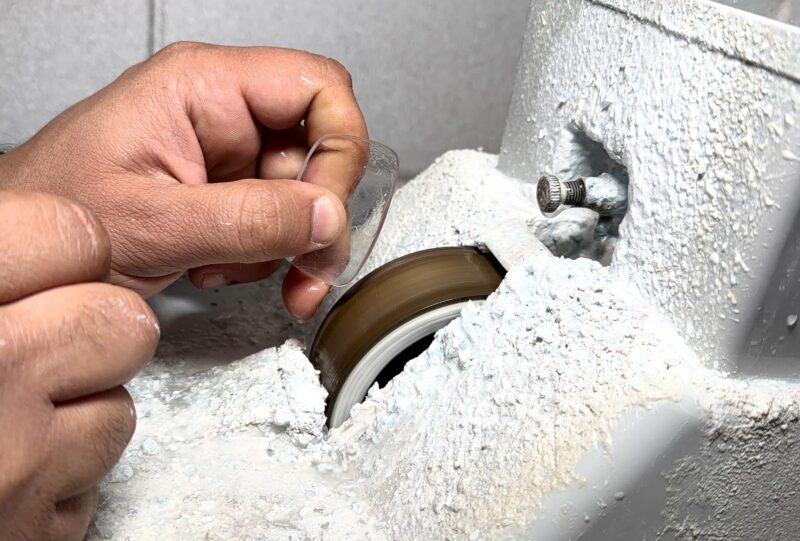
Top-performing labs now rely on automated surfacing lines, multi-stage inspection processes, high-precision digital lensmeters, advanced layout mapping for progressive designs, and AI-assisted edging and finishing systems.
Practices benefit from this shift through fewer remakes, higher patient satisfaction, improved adaptation rates, predictable consistency, and reduced chair time.
MIA LAB, operating as an advanced digital surfacing optical lab, integrates these technologies to support high-volume clinics, boutique opticals, and independent practices that rely on precision.
With advanced manufacturing already in place, MIA LAB is positioned to help practices transition smoothly into the next generation of lens technology.
What These Trends Mean for Independent Practices
Innovation Isn’t Optional. It’s Your Competitive Advantage
Emerging technologies may feel overwhelming, but they all point to one clear message:
Patients expect more. Practices that deliver more will grow more.
By embracing these trends and choosing partners who evolve with them, practices can strengthen clinical outcomes, improve patient satisfaction, increase operational efficiency, support long-term patient retention, and enhance their brand reputation.
Independent practices working with a forward-thinking lab like MIA LAB gain an edge through access to advanced freeform designs, reliable premium coatings, fast turnaround times, consistent accuracy, bilingual support for diverse communities, and a partner that continuously invests in technology to benefit your practice.
The future belongs to clinics that can adapt, and to the labs that empower them to do so.
The Future of Vision Care Is Already Taking Shape
From AI-driven diagnostics to the next generation of smart eyewear, from rapidly evolving lens materials to tele-optometry workflows, the optical landscape of 2026 will look very different from today.
But the practices that stay curious, stay informed, and stay connected to innovative partners will not only survive these changes. They’ll thrive because of them.


